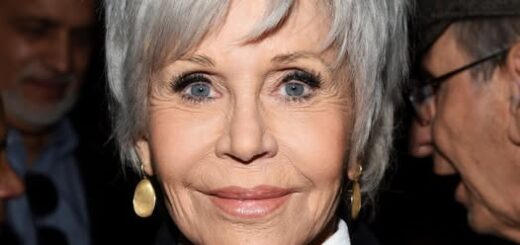
A2 Barbra Streisand Breaks Silence: A Heart-Wrenching Tribute to Parents Who Loved Too Fiercely
In a world accustomed to glitzy premieres and carefully scripted tributes, few moments pierce the veneer of celebrity to reveal raw, unfiltered grief. Last night, Barbra Streisand did just that. Standing on a stage usually reserved for song and spectacle, she delivered a speech that was less performance and more plea—an urgent, almost desperate insistence that the truth about Rob and Michele Reiner be heard.

“I refuse to stand here quietly, whispering when the truth demands a scream,” she declared, her voice trembling yet resolute. “I know this industry—and I know the difference between misfortune and a tragedy that was allowed to happen.”
It was a line that drew a hush over the crowd, a room of glittering stars suddenly silenced by the weight of reality. Streisand’s eyes, glistening under the stage lights, betrayed a grief too heavy for applause. She was not there to entertain. She was there to bear witness.
A Family on the Fault Line
Rob and Michele Reiner were, by all appearances, the picture of devotion. Friends describe them as parents who loved their son, Nick, with an intensity that bordered on heroic. Every day, they fought battles most of us could scarcely imagine—challenges within the walls of their own home, a war fought quietly, invisibly, in a struggle to protect and heal a child who needed them more than anyone could fully grasp.

Yet, despite their tireless efforts, tragedy struck. And in a society quick to soften stories of loss into palatable narratives, the depth of Rob and Michele’s sacrifice was almost erased by euphemism. Streisand would not let that happen.
“Please, spare me the platitudes about ‘destiny,’” she said, her voice now a steely echo across the hall. “Rob and Michele lived on a fault line. We watched them pour every ounce of their hearts and souls into saving their son. They fought a daily battle within their own home—a war of love against darkness—and in the end, they paid the ultimate price for that devotion.”
It was a moment that stripped away Hollywood’s habitual glimmer, exposing a raw truth: sometimes, love is not enough to shield us from life’s cruelties, and the world’s indifference can be devastatingly complete.
The Culture of Oversimplification

In her speech, Streisand struck at a familiar problem in public discourse: the tendency to turn complex tragedies into simplistic narratives. “The headlines soften the blow,” she continued. “Everyone wants to talk about ‘healing’ or ‘the struggle’ of the one who survived. But who is crying for those we lost? Who is standing up for the parents who spent years trying to fix a broken situation, only to be consumed by it?”
Her words were not just a tribute—they were an indictment. In an age when media thrives on the survivor’s story, the heroism of those who fought behind the scenes often goes unnoticed. Parents, guardians, and caregivers who pour their lives into saving another are frequently forgotten when tragedy strikes, their sacrifices distilled into footnotes or, worse, ignored entirely.
By refusing to conform to the comforting narrative of resilience, Streisand demanded accountability, not just from the audience in the room but from a society that too often fails to honor quiet courage.
Love in Extremis
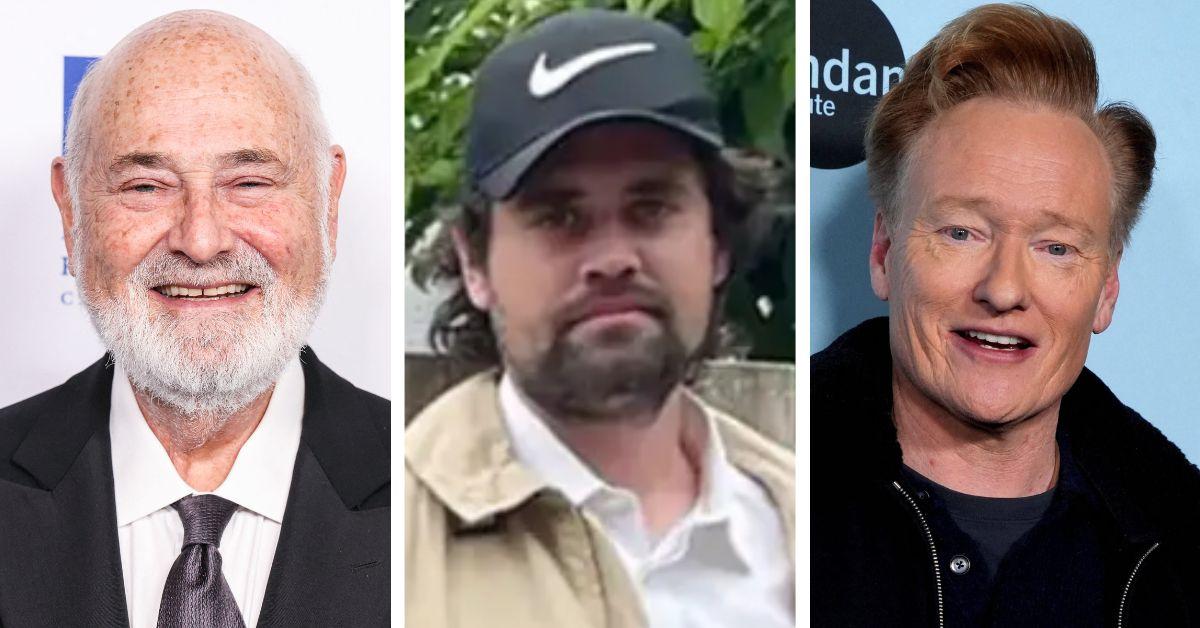
Throughout her tribute, Streisand returned again and again to the theme of love—specifically, love that is intense, unrelenting, and sometimes perilous. “I am here to ensure my friends are remembered not as victims of a dark night, but as magnificent parents who loved too much, even when it was dangerous,” she said.
It is a concept both inspiring and harrowing. In celebrating such devotion, Streisand forced the audience to confront an uncomfortable truth: loving someone can require unimaginable strength, and sometimes, even the strongest love cannot prevent heartbreak.
Her framing challenges the traditional arc of tragedy, which often centers on loss alone. Instead, she insisted that Rob and Michele’s story be remembered for the light they cast—the unyielding force of their love—even in the shadow of devastation.
Breaking Through Celebrity Facades
It is rare to see a figure of Streisand’s stature speak with such unfiltered honesty. Hollywood thrives on controlled narratives: photo ops, rehearsed acceptance speeches, and curated social media posts. Last night, however, Streisand offered none of that polish.
Her tribute was a deliberate rupture of convention, a refusal to sanitize grief for comfort or optics. In doing so, she created a moment that was both jarring and profoundly human. For those in attendance—and for the millions who will read the transcript—her speech was a reminder that celebrity does not exempt one from sorrow, nor should it shield the public from truth.
Remembering the Forgotten

At the core of Streisand’s address was a call to remember. Not just to mourn the loss, but to honor the lives fully lived. Rob and Michele Reiner were parents first, heroes second, and victims only in the sense that fate was cruel.
“Tonight, I honor their light—and I refuse to make excuses for the shadow that extinguished it,” she declared, her voice a resonant echo of defiance and reverence.
In doing so, Streisand reframed what it means to tell a story of loss. She shifted the focus from tragedy alone to the courage embedded within daily acts of love, care, and sacrifice. She reminded her audience that the people we lose are more than their final moments—they are the sum of relentless devotion, imperfect heroism, and tireless love.
The Ripple Effect
The impact of Streisand’s words is likely to ripple far beyond the room in which they were spoken. Social media lit up almost immediately, with fans and journalists alike sharing excerpts and reflections. Many noted the stark contrast between this speech and the usual celebrity tributes, praising Streisand for speaking uncomfortable truths and refusing to let grief be commodified.
In a culture saturated with curated images and palatable stories, her raw honesty is not just refreshing—it is necessary. It challenges both media and audience to reckon with the human cost of tragedy, and to remember that heroes often operate in silence.
A Legacy of Courage
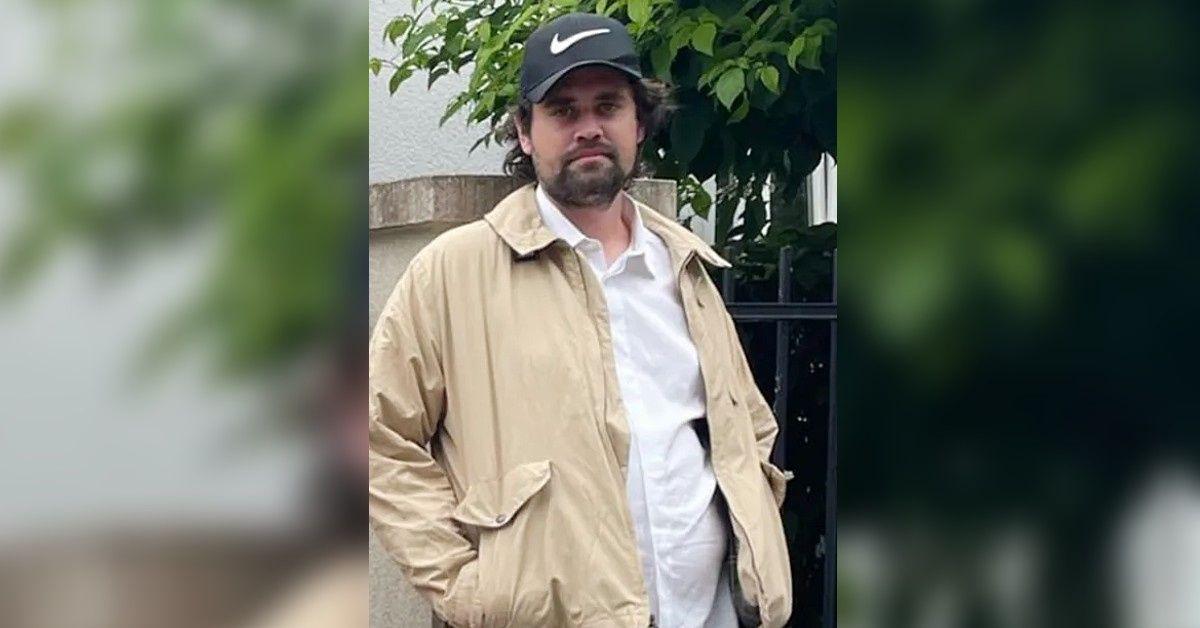
Ultimately, Streisand’s tribute is a call to action: to see the invisible struggles, to honor those who give their all, and to refuse complacency in the face of preventable loss. Rob and Michele Reiner’s story, as told by one of the world’s most celebrated artists, is no longer confined to headlines or obituaries. It lives, vividly, in the acknowledgment of their extraordinary love and the awareness of the cost it exacted.
As the applause faded and the stage lights dimmed, it was clear that this was more than a speech. It was a reckoning—a reminder that grief, courage, and love are often intertwined, and that true remembrance demands honesty, not platitude.
Barbra Streisand, in refusing to whisper, has ensured that the voices of Rob and Michele Reiner will echo far longer than the fleeting news cycles that attempt to contain them. In honoring their lives so fiercely, she has given the world a gift: a story that refuses to be softened, a tribute that refuses to be ignored, and a reminder that the bravest acts of love are sometimes the ones that go unseen—until someone insists the world pay attention.