Bruce Springsteen Releases “Streets of Minneapolis,” a Haunting Tribute—and a Protest Song With a Clear Message
A surprise release that lands like a cold wind
Bruce Springsteen has released a new song, “Streets of Minneapolis,” described by listeners as one of his most haunting and direct pieces in years. The track arrives with the gravity of a public elegy: not built for spectacle, not dressed in celebratory rollout, but unfolding like a quiet, steady breath through a city still raw with grief.
The song is dedicated to the people of Minneapolis, and it is framed as a remembrance for Alex Pretti and Renee Good—names that, in the current moment, carry more than personal loss. They represent a community’s pain, and a national argument that refuses to settle: what justice looks like when lives are lost and the questions don’t stop.
A memorial without grandstanding
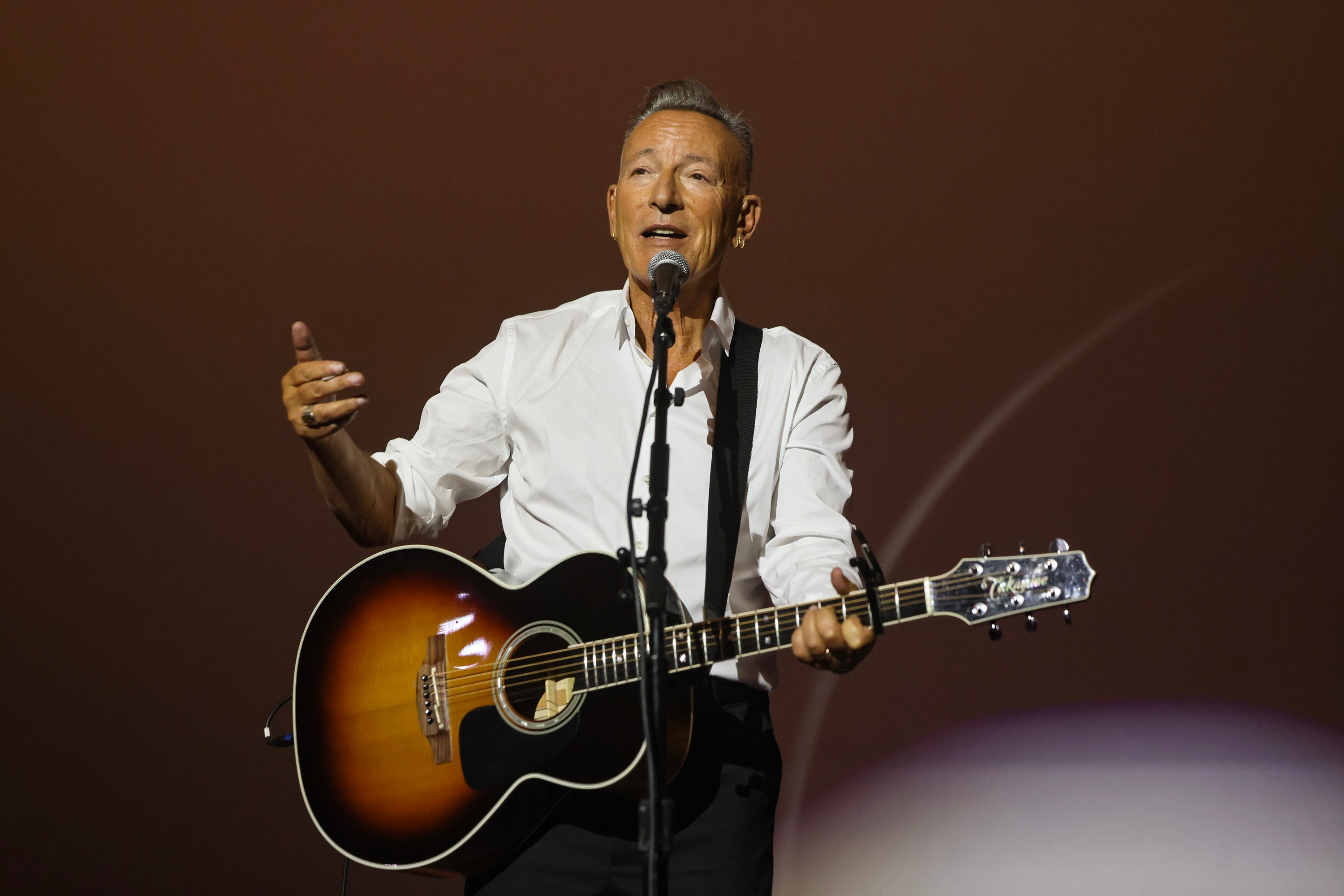
What sets “Streets of Minneapolis” apart is its restraint. Springsteen doesn’t present himself as the center of the story. Instead, the song moves like a witness statement—observing, grieving, and refusing to look away. The atmosphere is described as bleak and intimate, as if the music is walking alongside residents rather than speaking down to them.
The emotional core, as described in the way the song is being discussed, is not outrage for its own sake. It’s a sorrowful recognition of what a community carries after tragedy: the shock, the hollow silence, the ache of unanswered “why,” and the exhaustion of repeating the same arguments while real people remain buried.
Rather than delivering a polished anthem, Springsteen offers something closer to a lament—an elegy that doesn’t try to fix anything with optimism, but insists that remembrance itself is a form of refusal.
A song that asks the justice question out loud

The track’s narrative is built around a tension Springsteen has long explored: the distance between power and ordinary lives. “Streets of Minneapolis” is described as confronting the grief of innocent deaths and the lingering question of accountability—what happens after the headlines, after the official statements, after the crowd goes home.
In the song’s framing, justice is not treated as a concept. It is treated as a wound still open. The grief is communal, but so is the frustration: a sense that even as the nation argues, the people most affected are left to live inside the consequences.
Springsteen’s approach here is not to deliver a courtroom argument in musical form. It’s to amplify the moral weight of the moment—the sense that something has happened that cannot be brushed aside, and that silence would be a second injury.
Protest as purpose: calling out violence and power
While the song begins in mourning, it reportedly becomes unmistakably political in its message. “Streets of Minneapolis” is described as a protest song that denounces violence and challenges the use of force by immigration authorities, framing the situation not as isolated tragedy but as part of a broader climate of fear.
Springsteen’s language in the song is said to be unusually pointed. One phrase drawing particular attention is his depiction of enforcement forces as “King Trump’s private army”—a short, loaded line that signals the song’s target and its accusation: that power is being exercised in ways that communities experience as intimidation and harm.
The track also reportedly criticizes broader structures tied to immigration enforcement and the use of violence, underscoring what supporters describe as injustice endured by Minnesotan communities. Even in that criticism, the song’s power is said to come from its grounded tone: not theatrical anger, but a controlled, deliberate insistence that what’s happening must be seen.]
Why this moment fits Springsteen’s long tradition
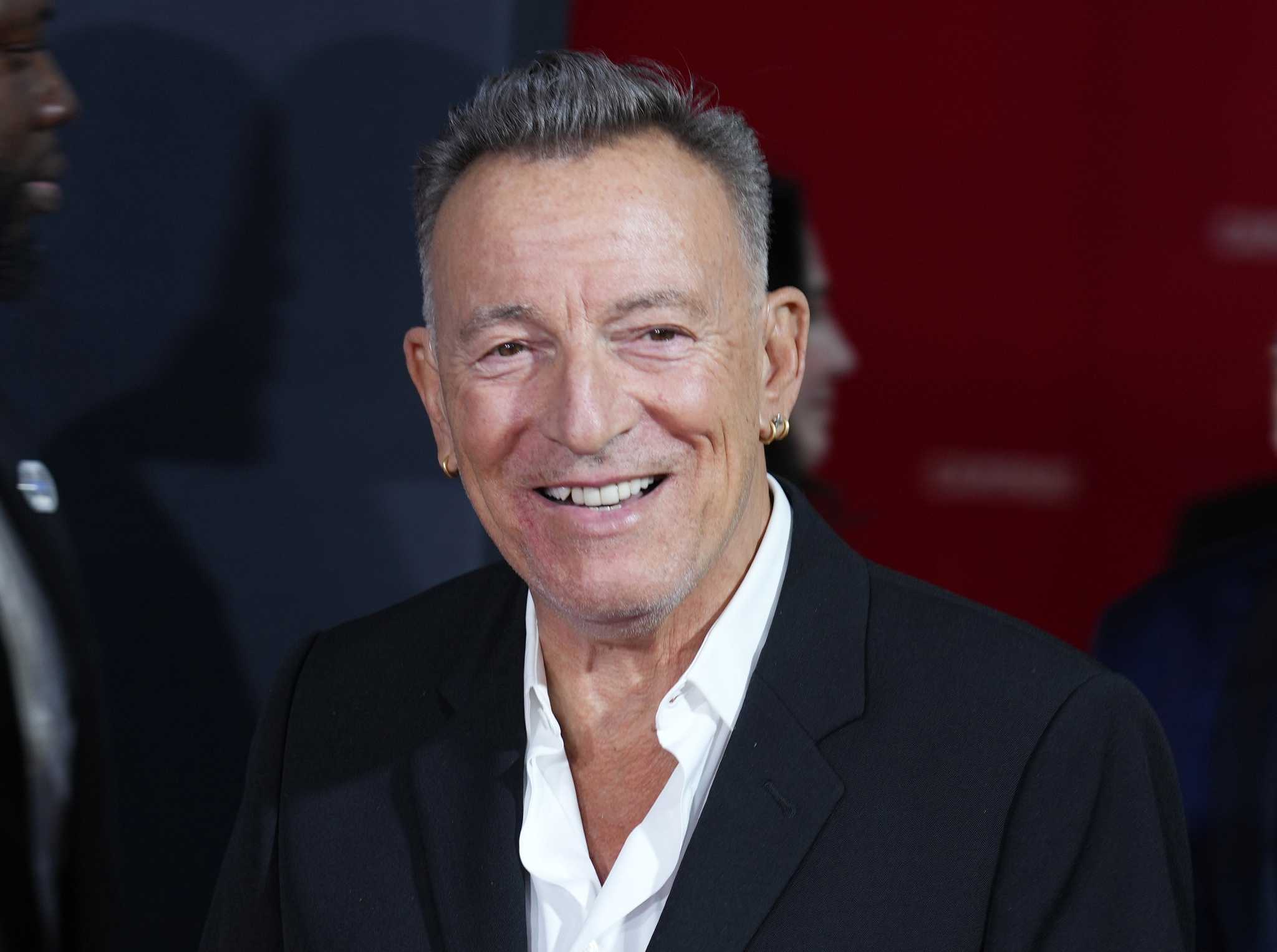
To many observers, “Streets of Minneapolis” feels like a continuation of Springsteen’s decades-long habit of turning American conflict into narrative—songs that speak for people who feel unheard, and songs that challenge official stories with lived experience.
Springsteen’s history is filled with music rooted in work, loss, and the emotional cost of national choices. What makes this release feel different is the immediacy: it is framed as a rapid response to events still unfolding, a song written not from historical distance but from current heat.
That urgency can be risky for any artist. But it can also be the point. Springsteen has rarely been at his strongest when he plays it safe. He is strongest when he turns empathy into clarity—and when he forces a listener to sit with the human consequences of policy, power, and violence.
A cultural flashpoint: tribute, protest, and the fight over meaning
As soon as a song like this appears, it becomes more than music. It becomes a battlefield for interpretation. Supporters will hear “Streets of Minneapolis” as necessary witness and solidarity—an artist using his platform to insist that grief matters and accountability matters. Critics will hear it as provocation, or as a political intervention that doesn’t belong in music.
But that debate is, in many ways, the story of Springsteen’s career: music as a public square, not a private escape. “Streets of Minneapolis” is being framed as a reminder that songs can function like memory—recording what a moment felt like—while also functioning like protest, refusing to let the moment be forgotten.
A message that won’t let the country move on too quickly
Ultimately, “Streets of Minneapolis” is described as two things at once: a farewell and a warning. It mourns lives lost, and it refuses to treat those losses as inevitable background noise. It honors a community’s pain, and it challenges the structures that produced that pain.
Springsteen has released many songs that sound like America arguing with itself. This one, by the way it’s being received, sounds like America grieving—and demanding an answer.
And in a time when outrage is loud and empathy is often short-lived, a haunting song that insists on remembrance may be its own form of resistance.