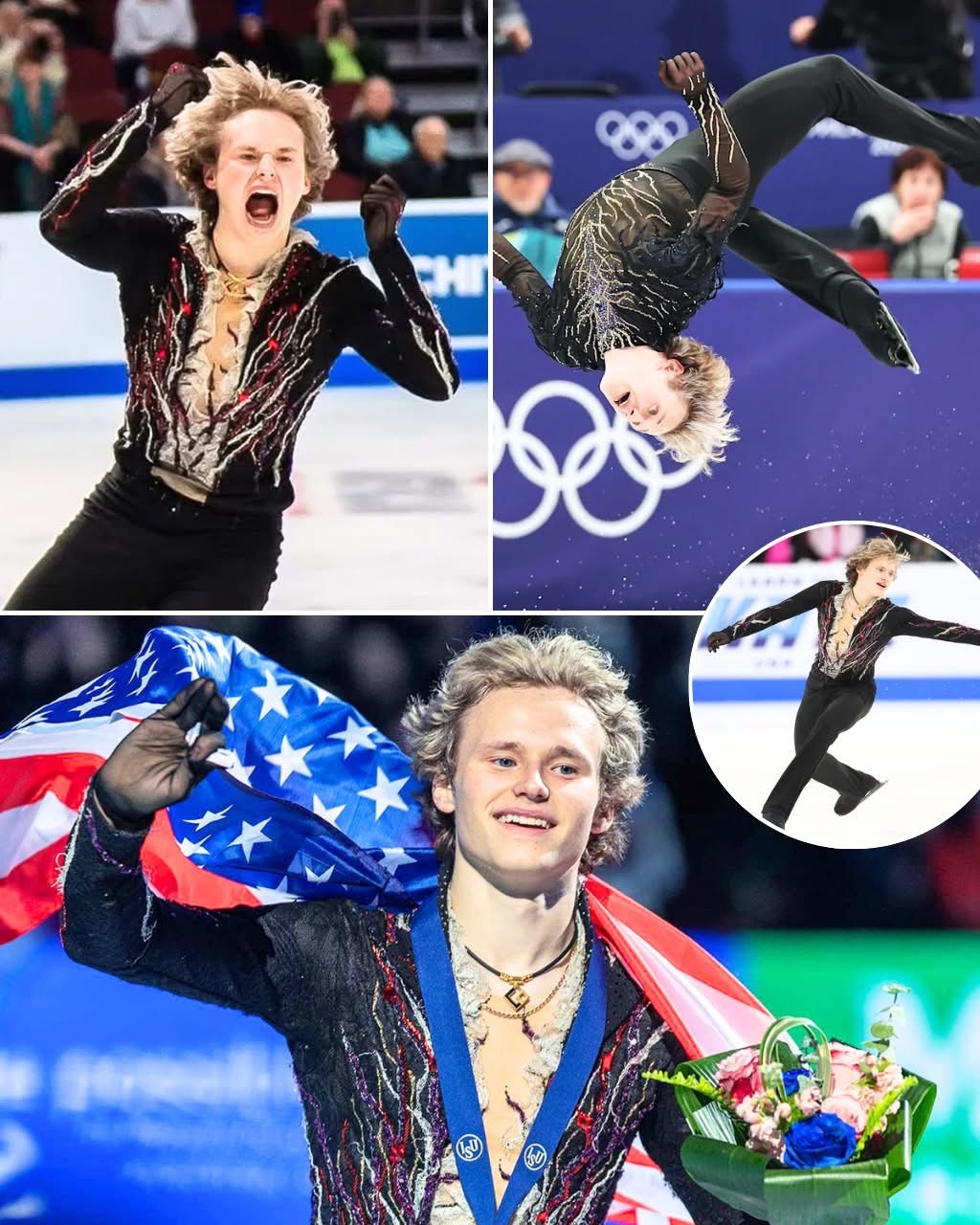
“ILIA MALININ’S SHOCKING OLYMPIC BACKFLIP: HOW ONE YOUNG SKATER DEFIED GRAVITY, SILENCED THE ARENA, AND LEFT THE WORLD GASPING AS FIGURE SKATING HISTORY WAS REWRITTEN BEFORE OUR EYES”!
 The “Quad God” Arrives: Ilia Malinin Stuns Milan With Historic Olympic Backflip
Ilia Malinin’s Olympic debut was never going to be quiet — but few expected it to be this seismic.
On Saturday, Feb. 7, inside Milan’s roaring Unipol Forum, the 21-year-old American phenom officially announced his arrival on the Olympic stage. Skating in the men’s short program during team event qualifiers at the Milano Cortina 2026 Winter Olympics, Malinin delivered a performance that instantly became one of the Games’ most talked-about moments — punctuated by a daring, history-making backflip on Olympic ice.
The move made Malinin just the second skater in Olympic history to successfully land a backflip during competition — and the first to do so in the 21st century.
A Bold Choice Under Olympic Pressure
Malinin finished second in the short program with a score of 98.00, trailing Japan’s Yuma Kagiyama, who skated immediately before him and posted a massive 108.67. Despite watching Kagiyama’s performance from backstage, Malinin insisted the Japanese star’s score didn’t influence his decision to attempt the backflip.
“I did watch his program — I was so inspired,” Malinin told reporters, including PEOPLE. “But I already had my mindset and layout set weeks ago.”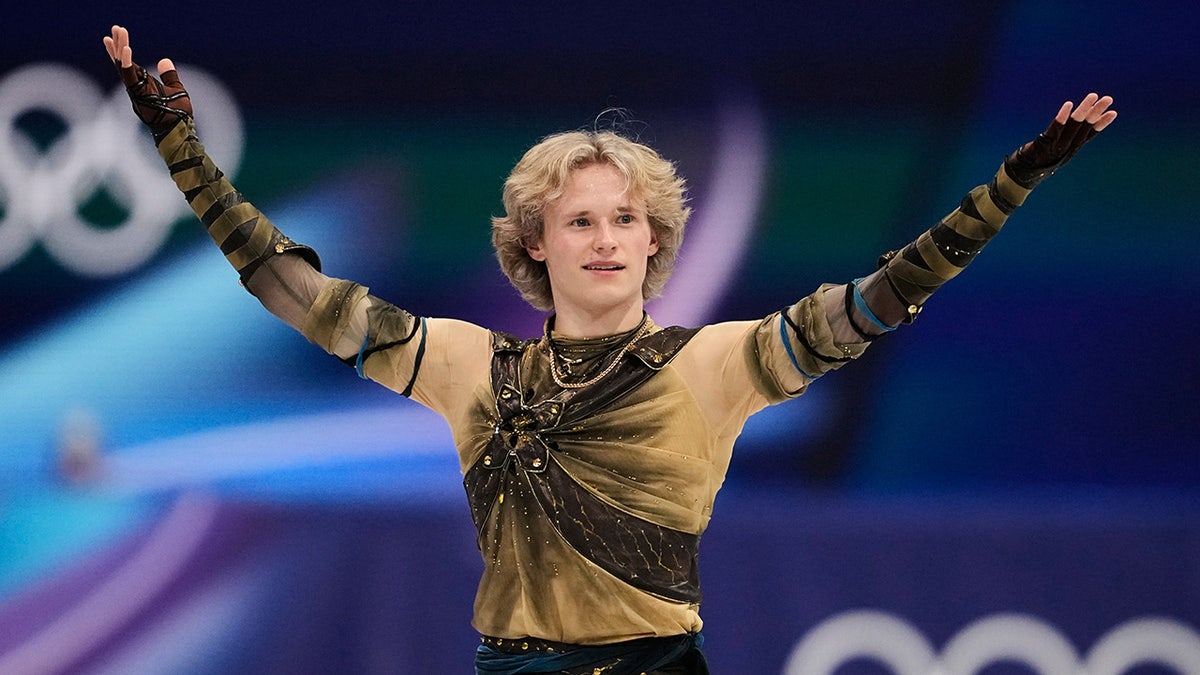
Notably, Malinin surprised fans by not attempting his signature quadruple axel, instead opting for the backflip — a move long considered too dangerous for elite competition.
A Move Once Banned — Now Reborn
The backflip’s Olympic history is complicated. American skater Terry Kubicka first performed it at the 1978 Innsbruck Games, but the International Skating Union banned the move shortly afterward due to safety concerns. Two decades later, French skater Surya Bonaly famously landed a backflip at the 1998 Nagano Olympics, earning a deduction because the skill was still prohibited.
The ISU only lifted the ban two years ago, opening the door for a new generation — and Malinin wasted no time stepping through it.
“The Crowd Just Explodes”
For Malinin, the reaction inside the arena was unforgettable.
“It’s honestly such a raw feeling in this environment,” he said. “Once I do that backflip, everyone’s screaming for joy. They’re just out of control.”
He believes the move could help revive interest in the sport beyond traditional figure skating fans.
“The backflip is something people understand immediately,” Malinin explained. “It brings in the non-figure skating crowd. That’s really important for the sport.”
Team USA Holds the Lead:max_bytes(150000):strip_icc():focal(1294x690:1296x692):format(webp)/GettyImages-2260424027-07dd625ed4364c198a2fef6895dbc38f.jpg)
Despite finishing second individually, Malinin’s nine points were enough to keep Team USA atop the standings heading into the team event finals. The Americans are aiming to defend their Olympic title after a complicated gold-medal journey in 2022, when they were initially awarded silver before Russia was stripped of gold due to Kamila Valieva’s doping scandal.
This time, the U.S. hopes to celebrate gold properly — on Olympic ice.
Skating Is in His Blood
Malinin’s rise feels almost inevitable. His parents, Tatiana Malinina and Roman Skorniakov, are both two-time Olympians and now serve as his coaches. His grandfather, Valery Malinin, is also a coach, and his younger sister is a nationally ranked junior skater.
Away from the rink, the George Mason University student skateboards and creates art — but the Olympics have always been the goal.
“I know how nerve-racking the Olympics can be,” Malinin said last month. “But I trust my training, my muscle memory. I’m ready to go out there and deliver.”
In Milan, he did exactly that — and with one fearless backflip, Ilia Malinin didn’t just compete at the Olympics.
He changed them.