Ilia Malinin’s Emotional Social Media Messages After Difficult Olympic Skate Leave Supporters Deeply Concerned About the ‘Quad God’
The performance ended. The scores were posted. The arena lights dimmed.
But for Ilia Malinin, the Olympic moment didn’t stop at the boards.
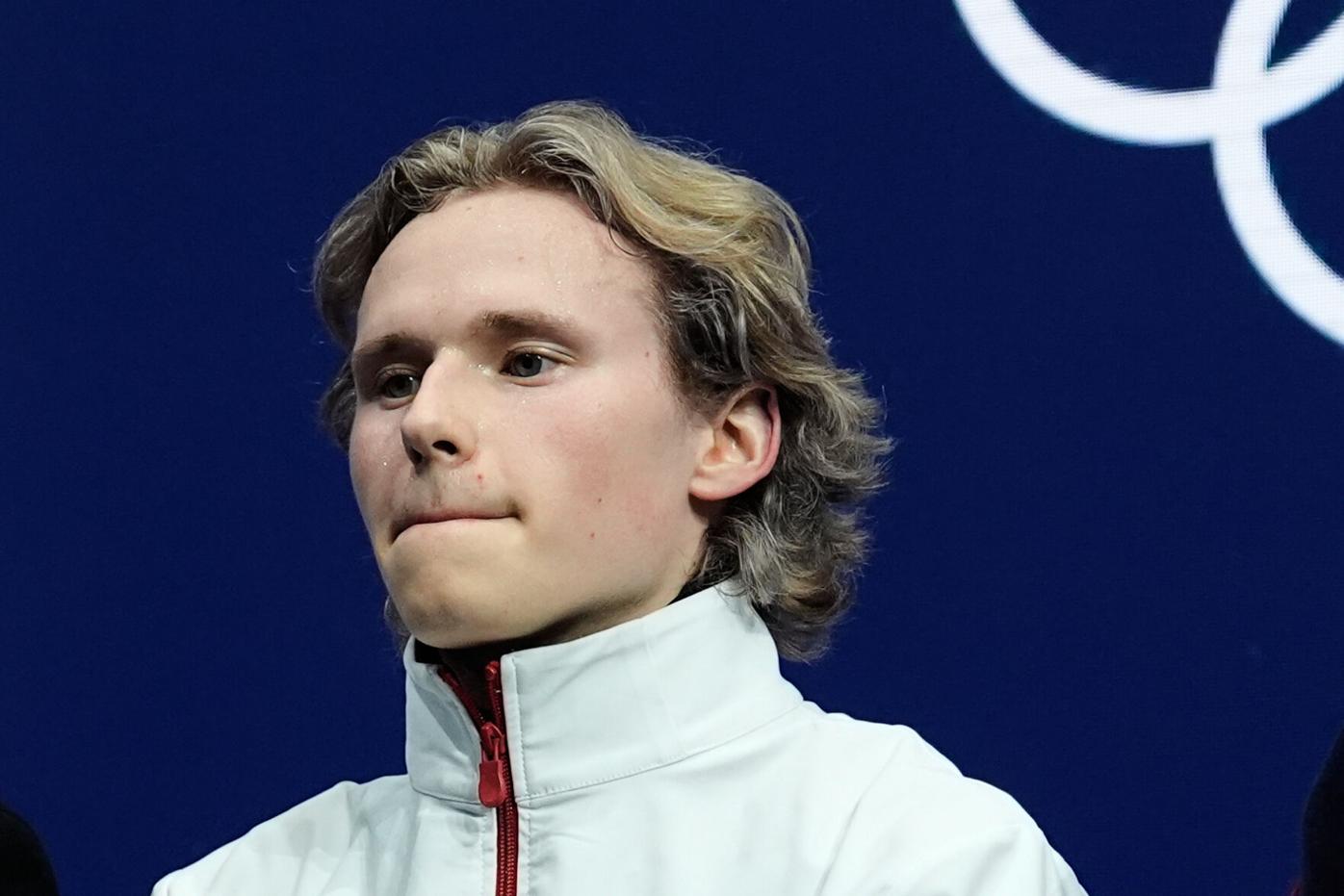
In the hours following his difficult free skate, Malinin took to social media with a series of unusually raw, reflective posts that quickly caught the attention of fans. Known for his confident, technically driven persona — the self-assured “Quad God” who revolutionized men’s skating with the quad Axel — this version of him felt markedly different.
“I’m sorry,” one message reportedly read, accompanied by a subdued photo from backstage. In another, he acknowledged feeling that he had “let people down.” The tone wasn’t dramatic, but it was vulnerable — stripped of competitive bravado.
Supporters immediately flooded the comments.
:max_bytes(150000):strip_icc():focal(1860x747:1862x749)/GettyImages-2261517139-ddfdc6eb541b4e59a72b56101585a8a0.jpg)
Many urged him to step back from self-blame, reminding him that Olympic sport is built on razor-thin margins and extraordinary pressure. Others praised his honesty, noting that transparency from elite athletes helps demystify the emotional toll of competing on the world’s biggest stage.
The concern, however, wasn’t about performance alone. It was about the intensity of his self-criticism.
“You are still a champion, Ilia Malinin One result doesn’t define your talent or your strength. We’re proud of you no matter what place you take. Keep going – your time to shine is always ahead. You are the best,” one more said.
Malinin’s career has been defined by audacity. He doesn’t just attempt difficult content — he reimagines what is possible. That mindset fuels historic breakthroughs. Yet it can also amplify disappointment when risk doesn’t pay off. Two imperfect landings at the Olympics become more than technical deductions; they become deeply personal moments in an athlete’s internal narrative.

Sports psychologists often emphasize that elite competitors tie identity closely to execution. When execution falters, identity can briefly feel shaken. Social media, with its instant feedback loop, magnifies that vulnerability. Applause and critique arrive simultaneously, creating an emotional echo chamber.
Still, the overwhelming tone from his supporters has been encouragement rather than judgment. Fans have reminded him that innovation inevitably carries setbacks — and that a single skate cannot erase the impact he has already made on the sport.
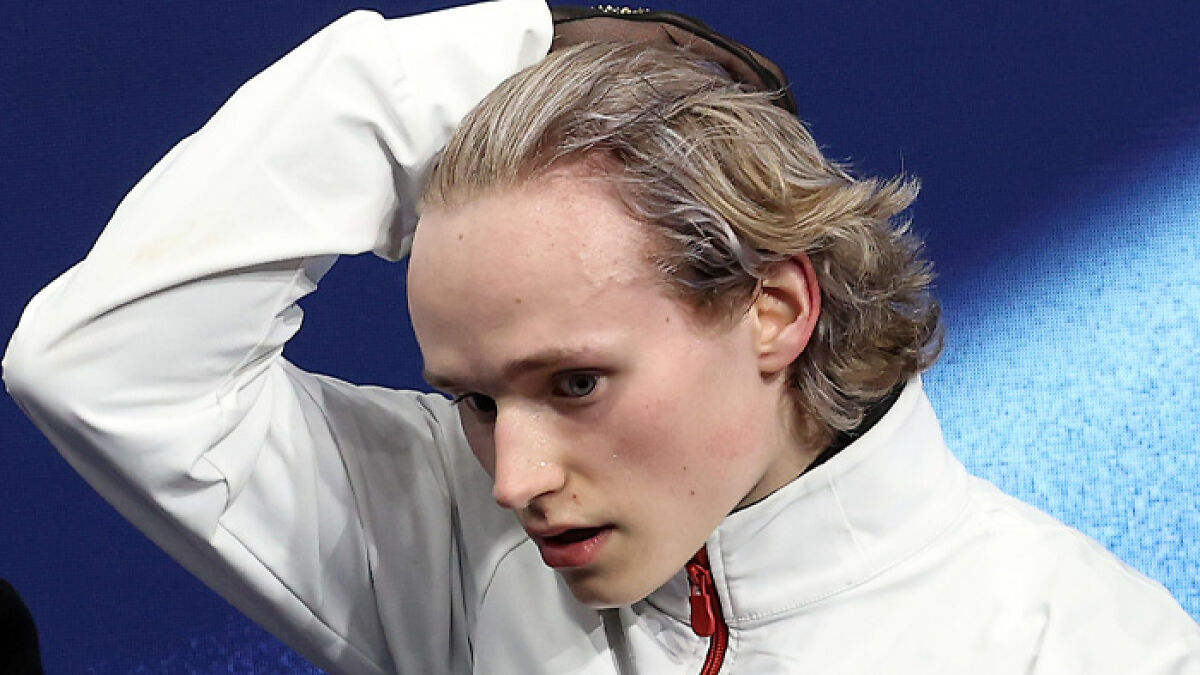
In many ways, his posts revealed something more powerful than flawless quads: accountability, humanity, and the willingness to sit publicly with disappointment.
Olympic heartbreak is not new. What feels new is watching it unfold in real time, caption by caption.
For Malinin, the ice may have delivered a tough lesson. But the response from the skating world suggests he is far from alone in absorbing it.
And sometimes, the strongest comeback begins not with a jump — but with an honest admission of how much the fall hurt.