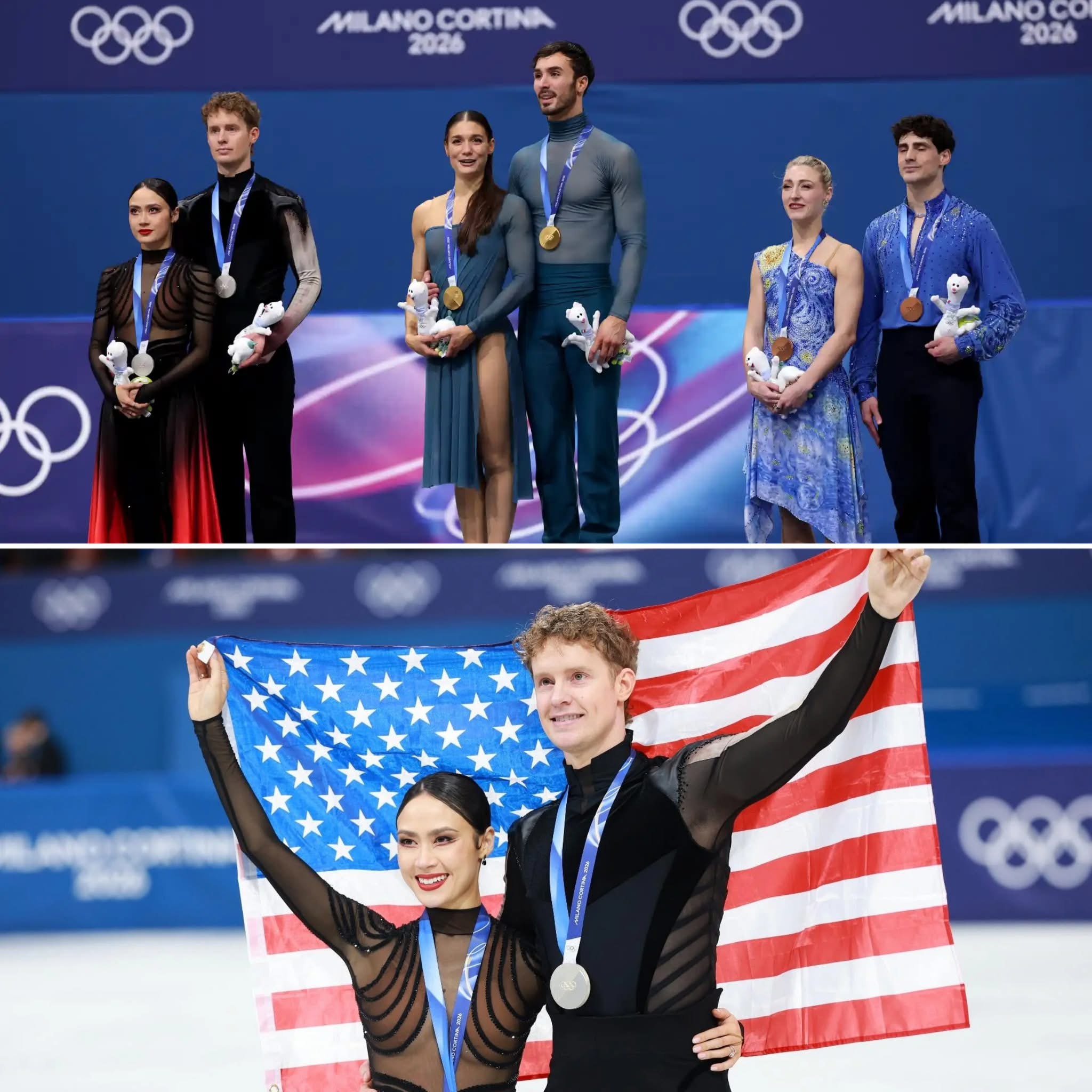
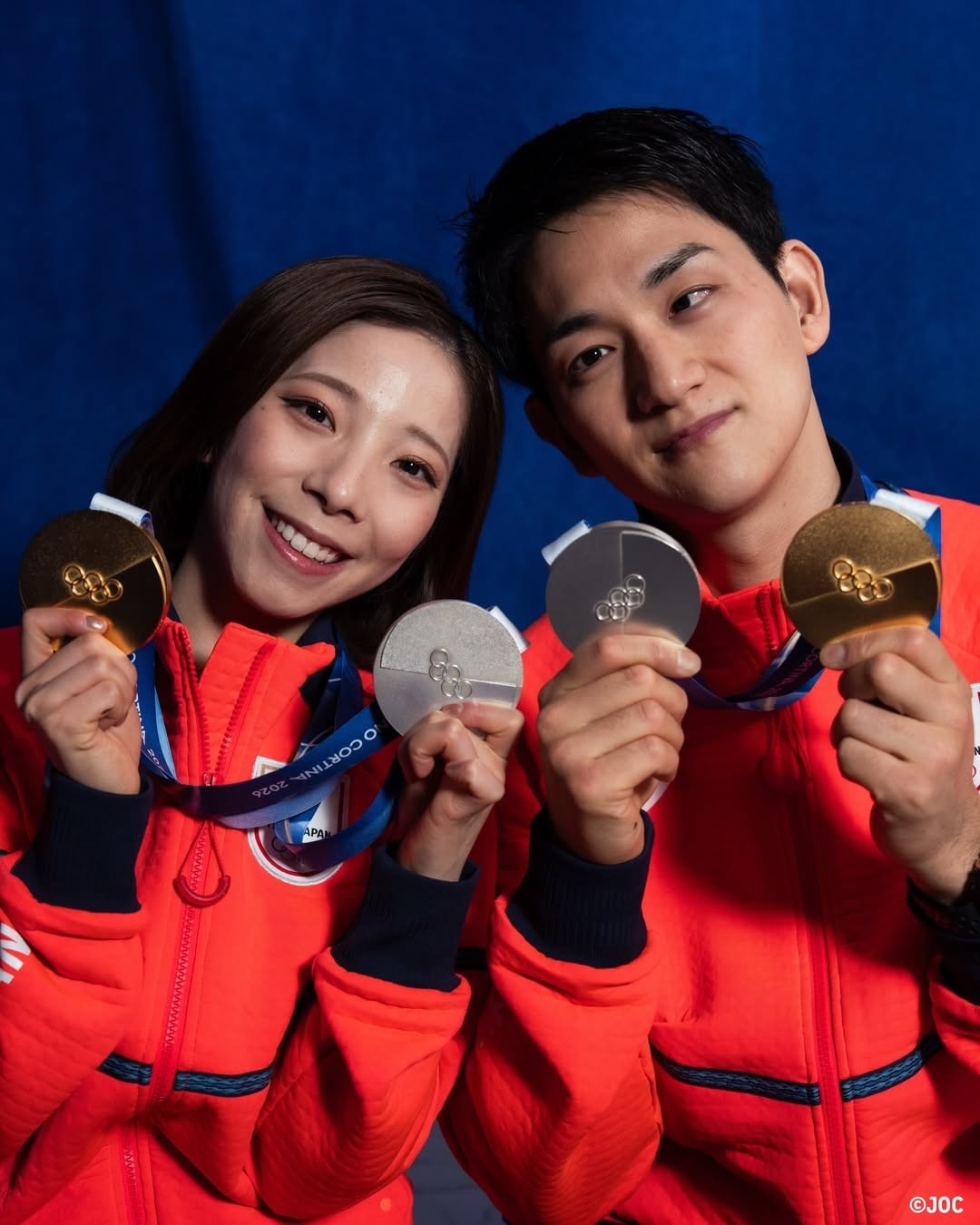
THE TEARS SAID MORE THAN THE GOLD EVER COULD 🥹 When Ryuichi Kihara collapsed into tears on the ice at the 2026 Winter Olympics, it wasn’t just a reaction to standing atop the podium. It was the release of years of doubt, injuries that refused to disappear, and moments when he quietly wondered if he should walk away. Beside him stood Riku Miura — steady, composed, and unwavering. Long before the medals, before the spotlight, she believed in their partnership when it felt fragile and uncertain. When he struggled, she anchored them. Fans are now revisiting the early days of their team — the risks they took pairing up, the setbacks that nearly ended it all, and the quiet loyalty that carried them forward. That breakdown on the ice wasn’t weakness. It was proof that sometimes the most powerful victories are the ones fought long before the final score is announced.
No one cried more than Ryuichi Kihara in the doubles event at the 2026 Milano Cortina Olympics. But after all, those very tears paved the way for a golden moment for Japanese figure skating.
On February 16th at the Milano Cortina 2026 Winter Olympics, the duo Riku Miura and Ryuichi Kihara set the stands ablaze as they won the gold medal in the doubles event, marking Japan’s first Olympic triumph in this category.
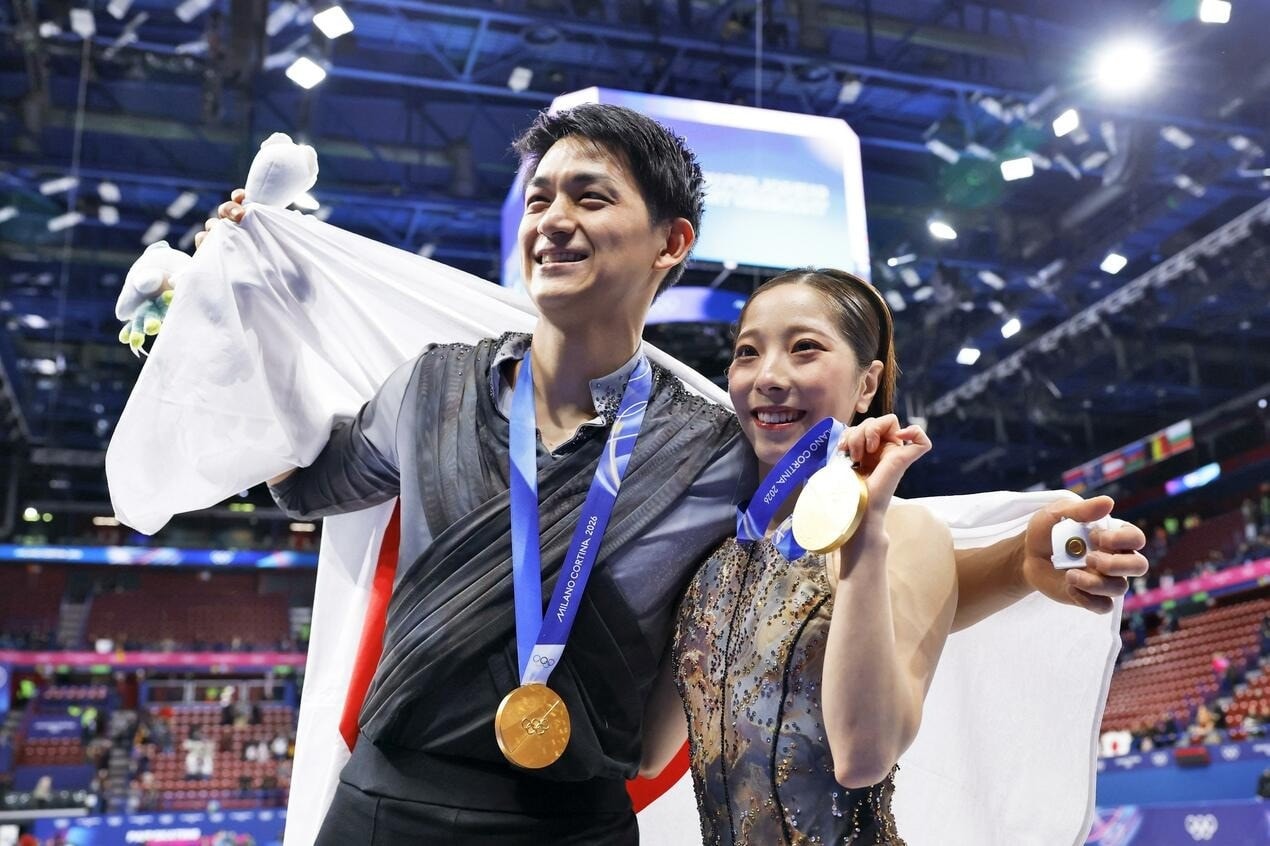
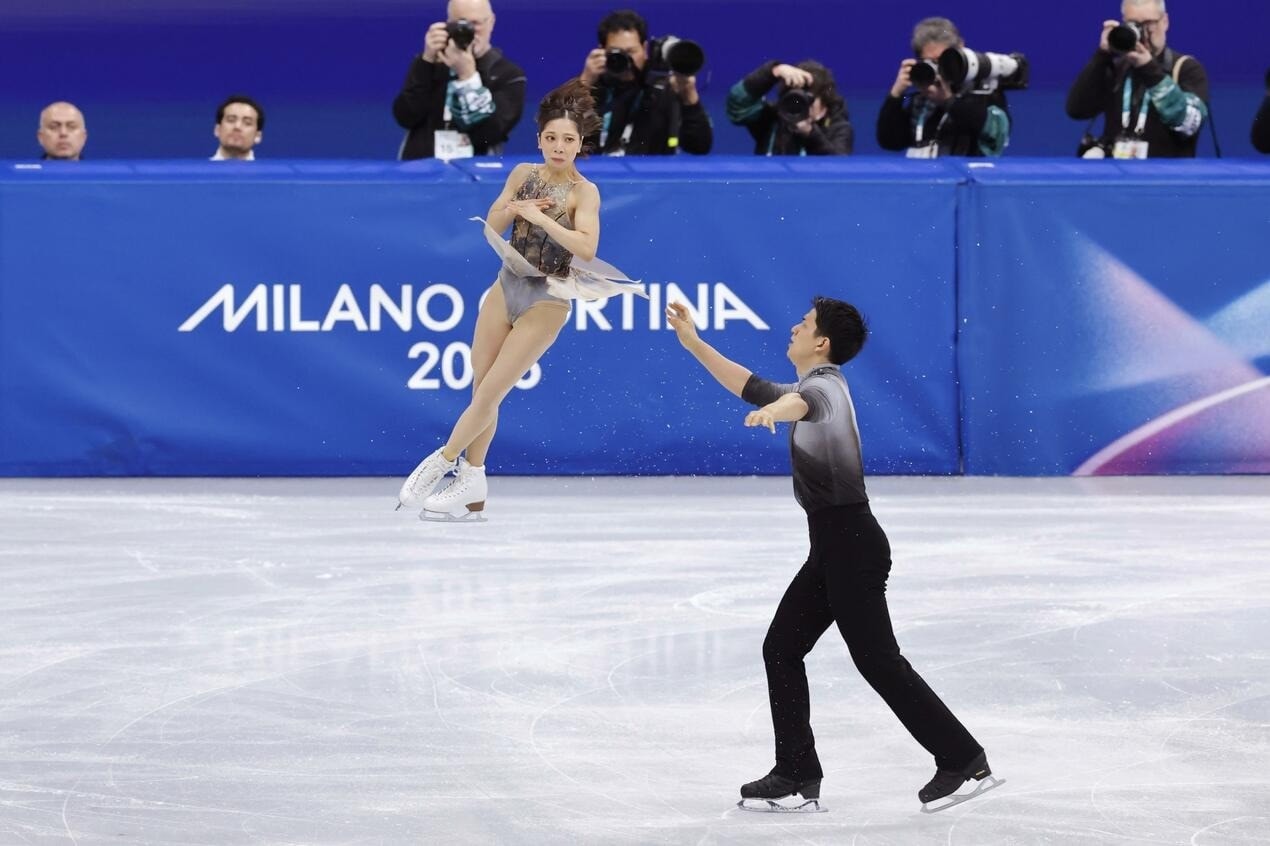
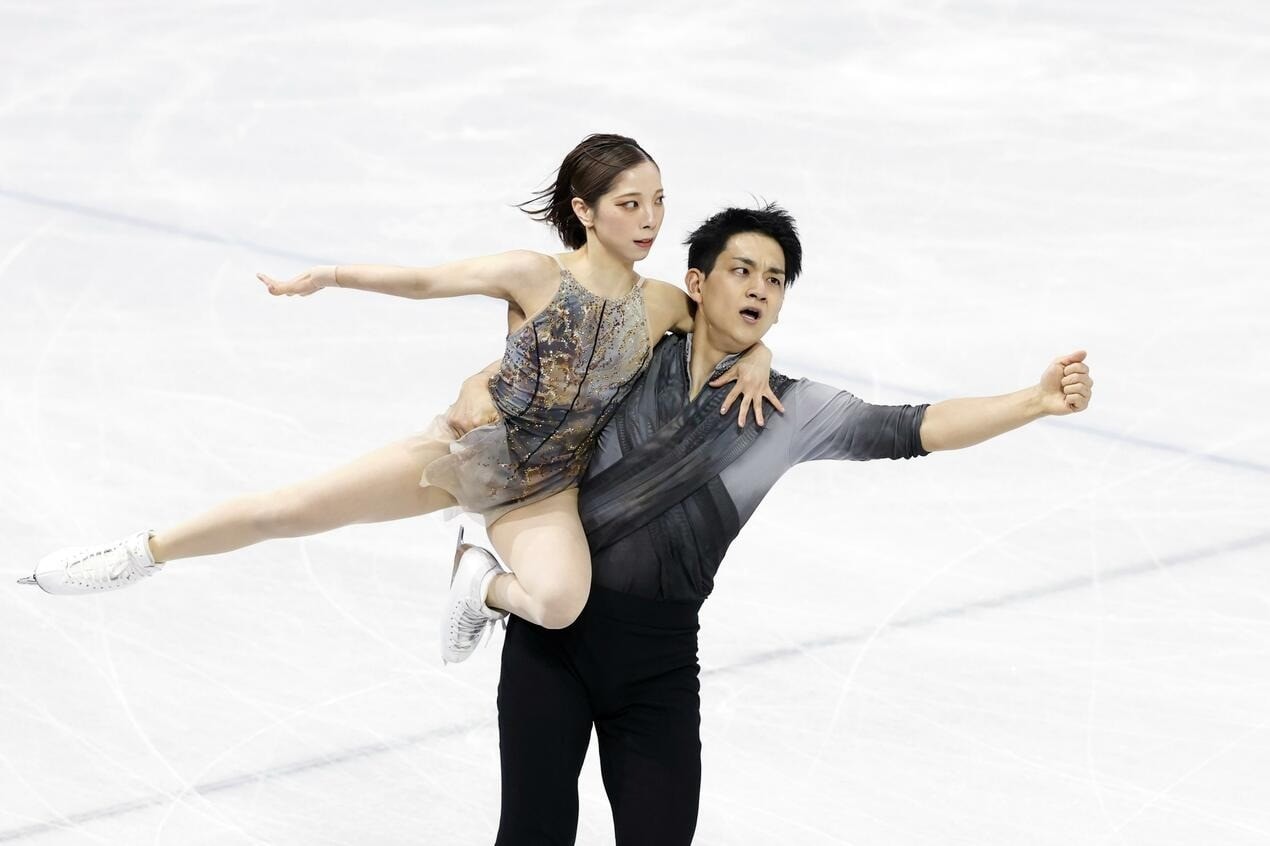
After a rare mistake in their short program that saw them drop to fifth place, “Rikuryu”—the nickname fans gave the pair—performed a perfect free skating routine, setting a world record of 158.13 points. Their total score of 231.24 allowed them to make a spectacular comeback.
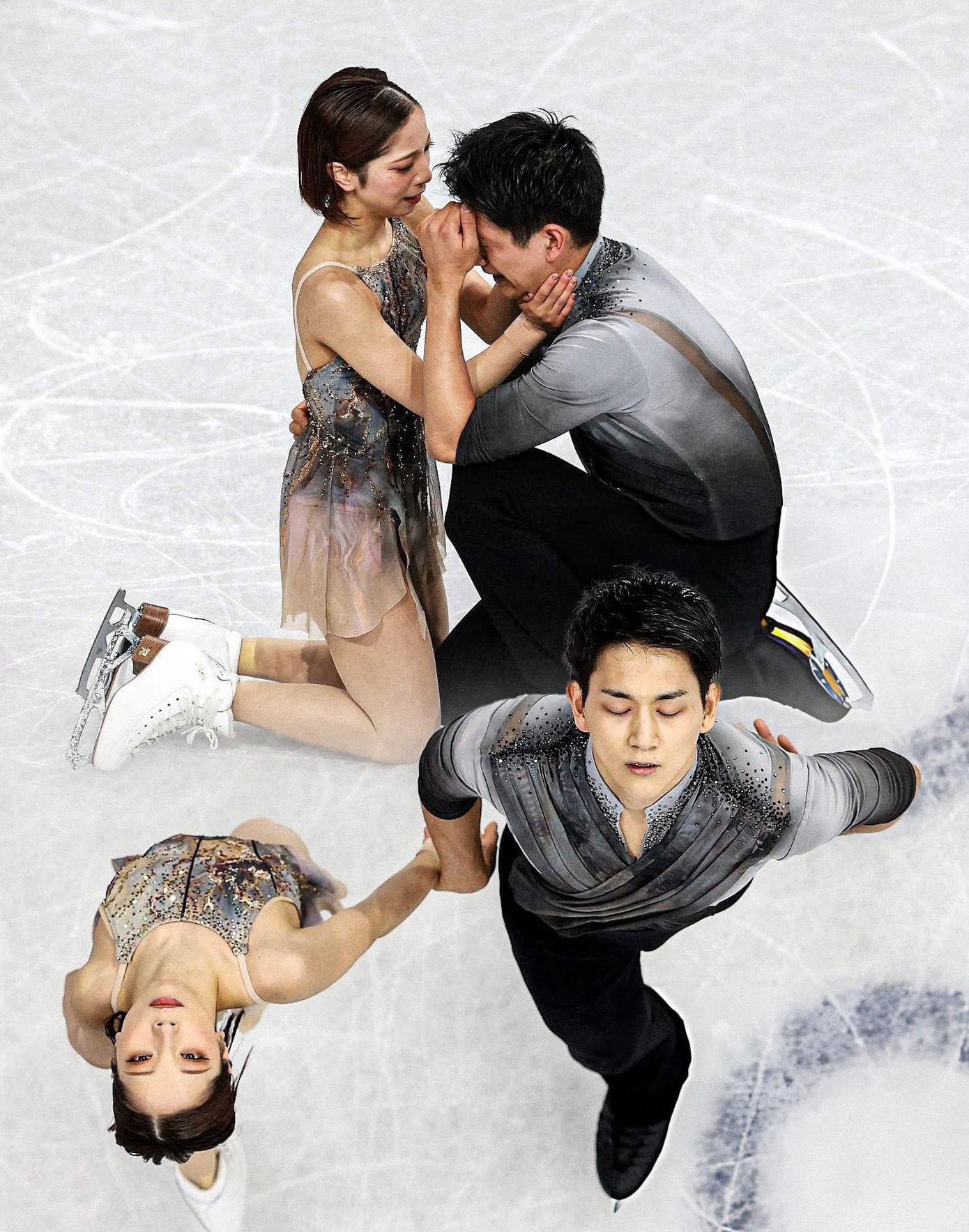
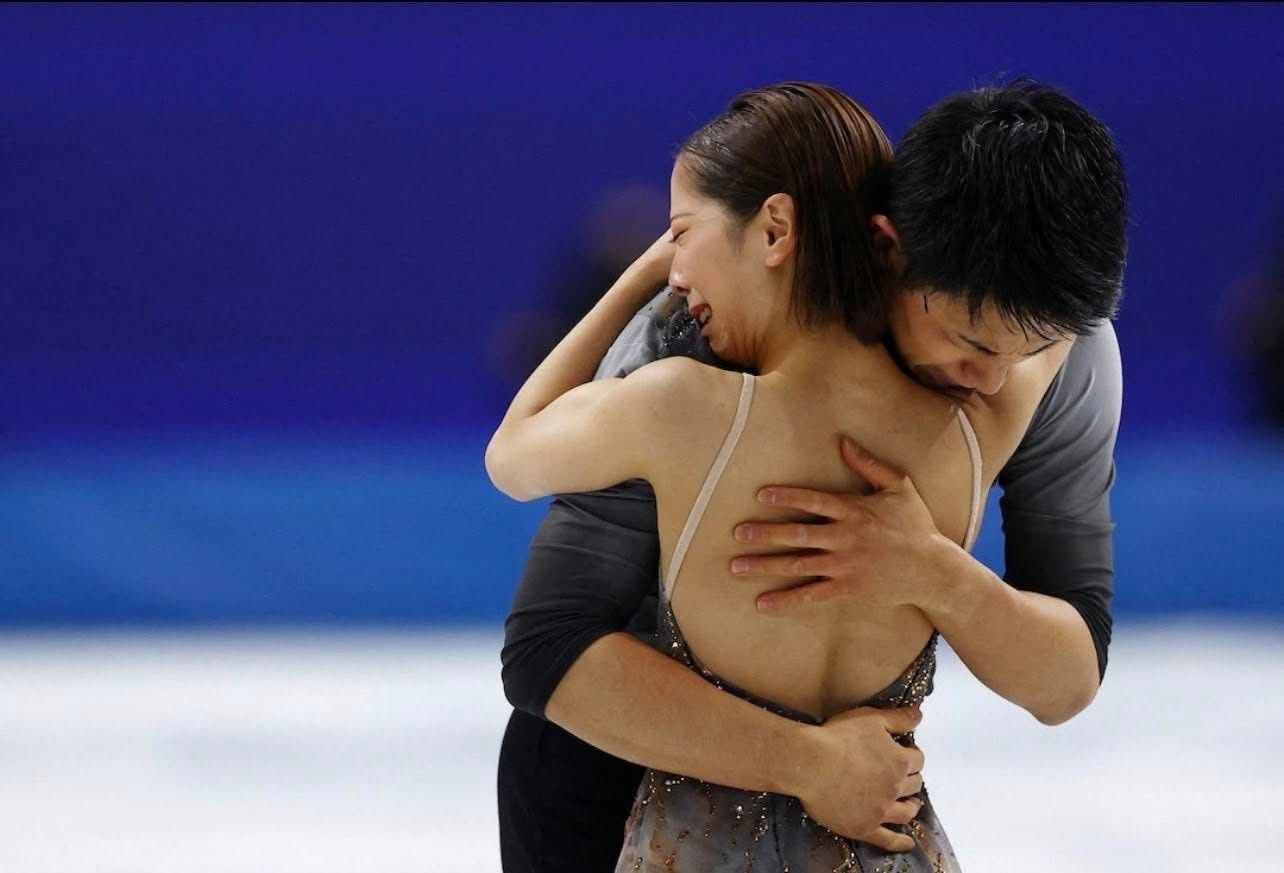
When the score appeared on the screen, Kihara shouted with emotion, while Miura (24 years old) covered her mouth in stunned silence. Both knelt on the ice and embraced each other. For Kihara (33 years old), it was a moment of release after years of pressure and doubt.
From the brink of retirement to a fateful encounter.
Few people know that his journey to that gold medal began during a dark period. After the 2014 and 2018 Olympics, Kihara struggled with shoulder injuries and a concussion. In the spring of 2019, he ended his collaboration with his former skating partner, returned to Aichi Prefecture, and worked part-time at the skating rink where he had trained as a child.
At 26, when his peers had already established their careers, Kihara thought he wasn’t suited for doubles and planned to compete in singles one more time before retiring. He took on various jobs at the ice rink, from handing out skates to working night shifts at the accommodation and coaching young children, earning a salary comparable to a student’s part-time job.
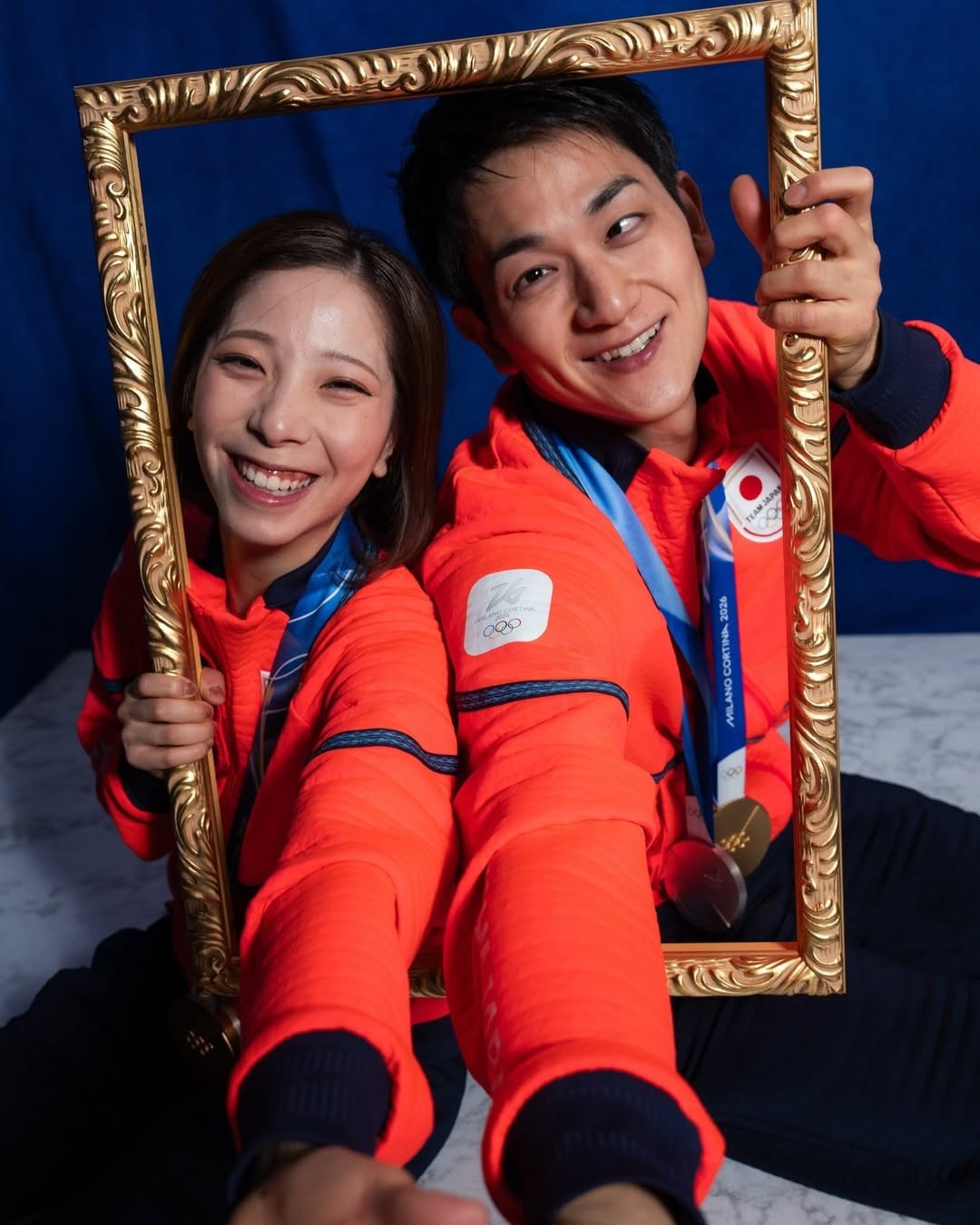
The turning point came in June 2019, when the Japan Skating Federation held a pair audition at Chukyo University. Canadian coach Bruno Marcotte, who was then coaching Miura and her former skating partner, offered Kihara a one-hour trial skating session with Miura.
During a twist lift, Miura was tossed so high that Marcotte gasped in amazement. According to Kihara, that moment was like being struck by lightning; the surge of emotion rekindled his love for the sport.
A month later, the two officially partnered and moved to Canada for training with Marcotte.
Rapid rise to power and a glorious redemption.
Miura, then in her early twenties, impressed with her absolute trust in her partner. Kihara once admitted he was surprised by her composure during difficult lifting movements, which was a key element in their duet performance.
At the 2022 Beijing Olympics, they finished 7th – Japan’s highest ever achievement in this event. Subsequently, the duo won consecutive world championships in 2023 and 2025, becoming strong contenders for the gold medal at Milano Cortina.
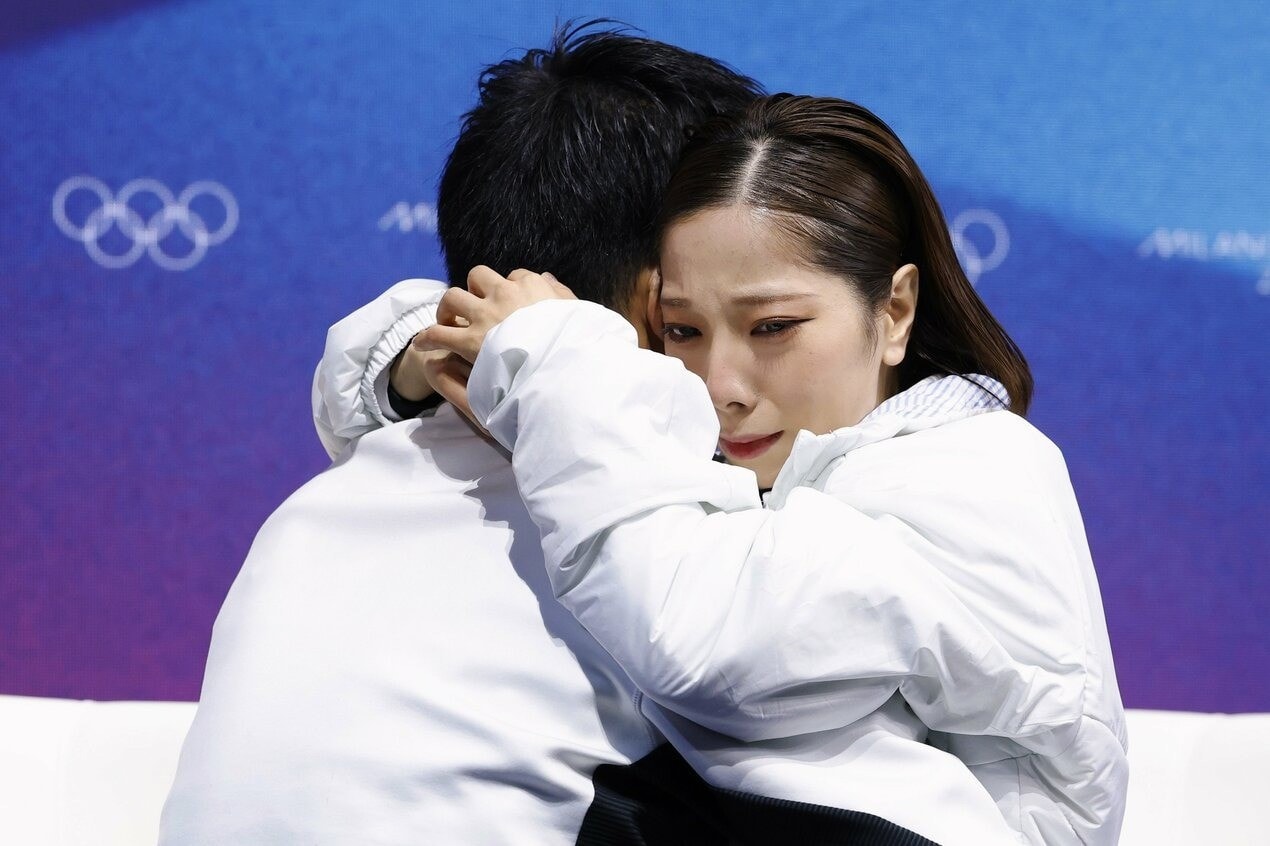
However, on February 15th, mistakes in the short program caused them to lose their advantage. Kihara couldn’t hide his disappointment and couldn’t stop crying, while Miura remained calm.“We made mistakes today, so let’s start over. If we believe we can do it, we will do it.”
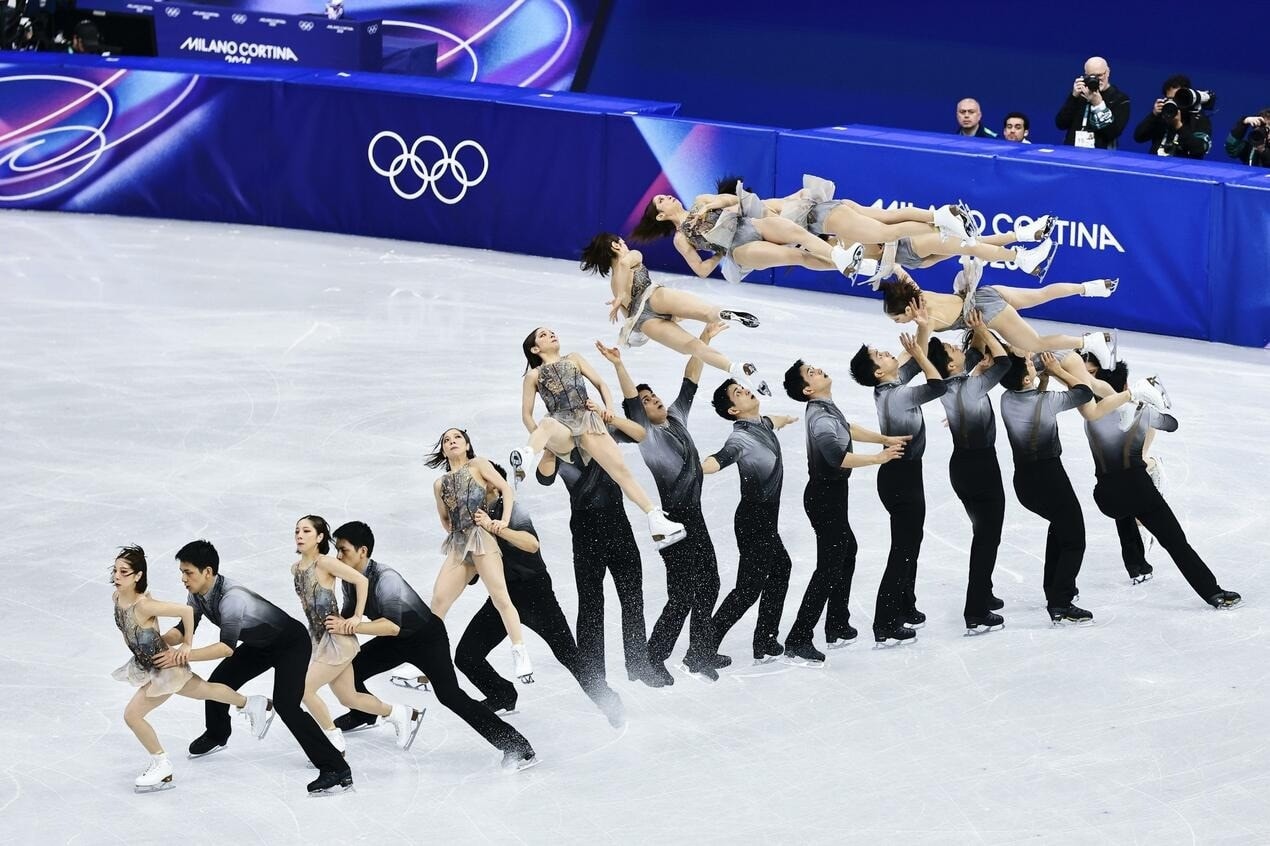
The following day, they executed every technical element perfectly with speed and precision. The stands erupted with cheers after each flawless lift and landing. That performance quenched their thirst for gold and provided the answer to their previous setback.
When the exam was over, Kihara burst into tears again, while Miura remained strong. She said:“What makes me happiest is that we were able to bounce back from yesterday’s mistake and show the strength we’ve built up over time.”
In front of the press, Miura “accused” Kihara:“He cried even during the warm-up. I asked, ‘Why are you crying?’ and he said, ‘I don’t know either.’”
And Kihara shared his thoughts after receiving the gold medal:“I am truly grateful to those who gave me that opportunity. I’m so glad I didn’t give up.”
Miura and Kihara’s victory marks a significant step forward for Japanese figure skating in an event traditionally dominated by Europe and North America. Prior to their 2022 World Championship silver medal, Japan had gone a decade without a podium finish in the doubles event at the International Skating Federation (ISU).
The story of Miura and Kihara is a testament to the power of belief and perseverance. For Kihara in particular, it’s also a confirmation of his long-held decision to “never give up.”