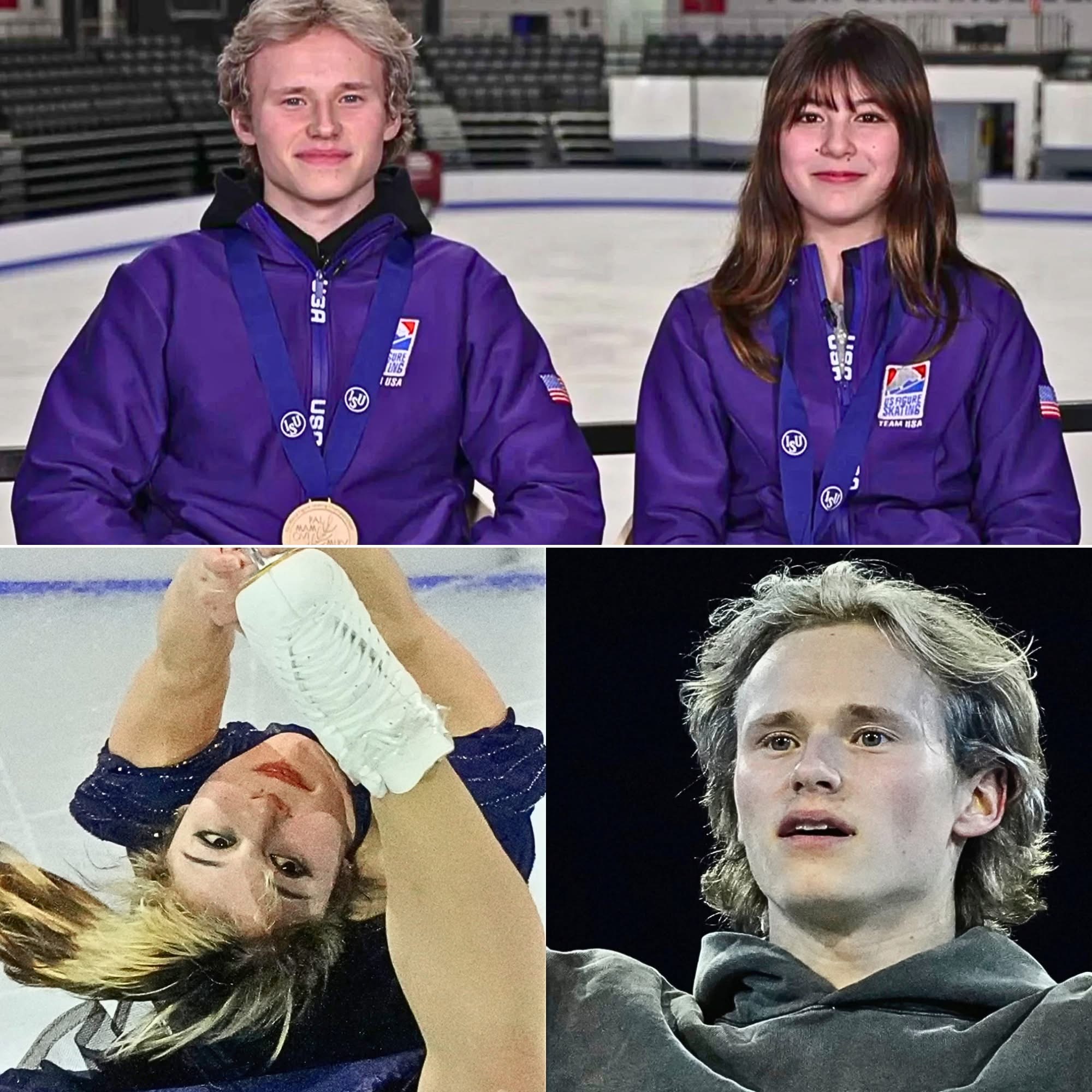
A Mother’s Defense: Standing Beside Ilia Malinin Under the Harsh Spotlight
A Mother’s Defense: Standing Beside Ilia Malinin Under the Harsh Spotlight
Just minutes after a wave of criticism began spreading online, the mother of Ilia Malinin broke her silence with a powerful and emotional statement defending her son.
Her words did more than answer the critics. They sparked a broader conversation within the world of figure skatingabout pressure, expectations, and the human story behind the medals.
Malinin is not an ordinary figure skater. Known around the world for landing the historic quadruple Axel and pushing technical boundaries with daring combinations, he has been widely hailed as one of the most revolutionary skaters of his generation.
But groundbreaking achievements often come with relentless scrutiny. Every performance is analyzed frame by frame. Every minor mistake becomes a talking point across social media platforms. Every result quickly turns into a headline.
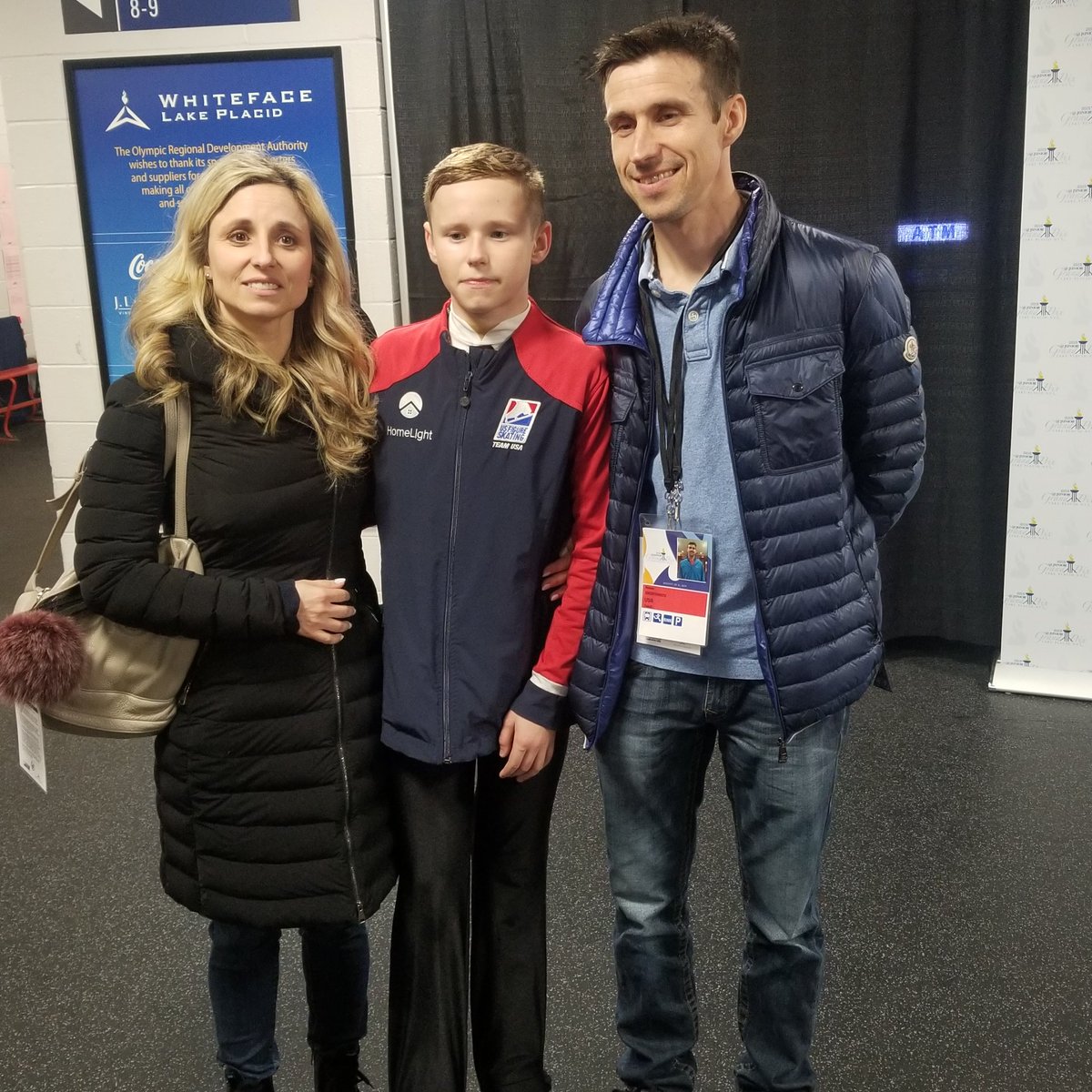
For a young athlete still early in his career, that level of attention can feel overwhelming.
“What is happening to my son isn’t just criticism—it’s deeply painful,” his mother said. “People are attacking a young man who has devoted his entire youth to this sport.”
Her words resonated because they reminded fans and critics alike of something that is often forgotten: Ilia is more than highlight reels or technical milestones.
He is a competitor, a teammate, and a young man who has grown up taking risks on the ice—sacrificing ordinary teenage experiences in pursuit of extraordinary goals.
Behind every competition are months of preparation: early morning practices, late-night training sessions, and falls that leave bruises not only on the body but sometimes on confidence as well.
The quadruple Axel—a jump once considered nearly impossible—did not appear overnight. It came through endless repetition, remarkable endurance, and the courage to risk failure in front of the world.
Yet when a performance is less than perfect, the narrative can change quickly. Praise can turn into doubt. Applause can become criticism. Social media, in particular, amplifies both extremes.
His mother addressed that reality directly.
“How can people be so harsh?” she asked. “You see a mistake. I see the hours of training behind it. You see a single performance. I see years of dedication.”

Her statement was not an excuse—it was a defense. And a deeply emotional one.
Parents of elite athletes live their own quiet emotional journey. They witness the triumphs, but they also see the hidden struggles: the tears after a missed moment, the silent car rides home, the private doubts that never reach the cameras.
They understand the pressure in a way that spectators rarely can.
For Malinin, that pressure has followed him ever since he landed the historic quadruple Axel. Expectations rose instantly. Every competition became a test not only of skill but of legacy.
Could he repeat the feat? Could he push even further? Could he carry the label of being the “future of figure skating”?
Those are heavy questions for any athlete—especially one so young.
“To me,” his mother continued, “Ilia is not just an extraordinary athlete—he is a disciplined, mature, and resilient young man. Instead of magnifying every small mistake, people should recognize the sacrifice and courage it takes just to step onto the ice.”
Her words helped reframe the conversation.
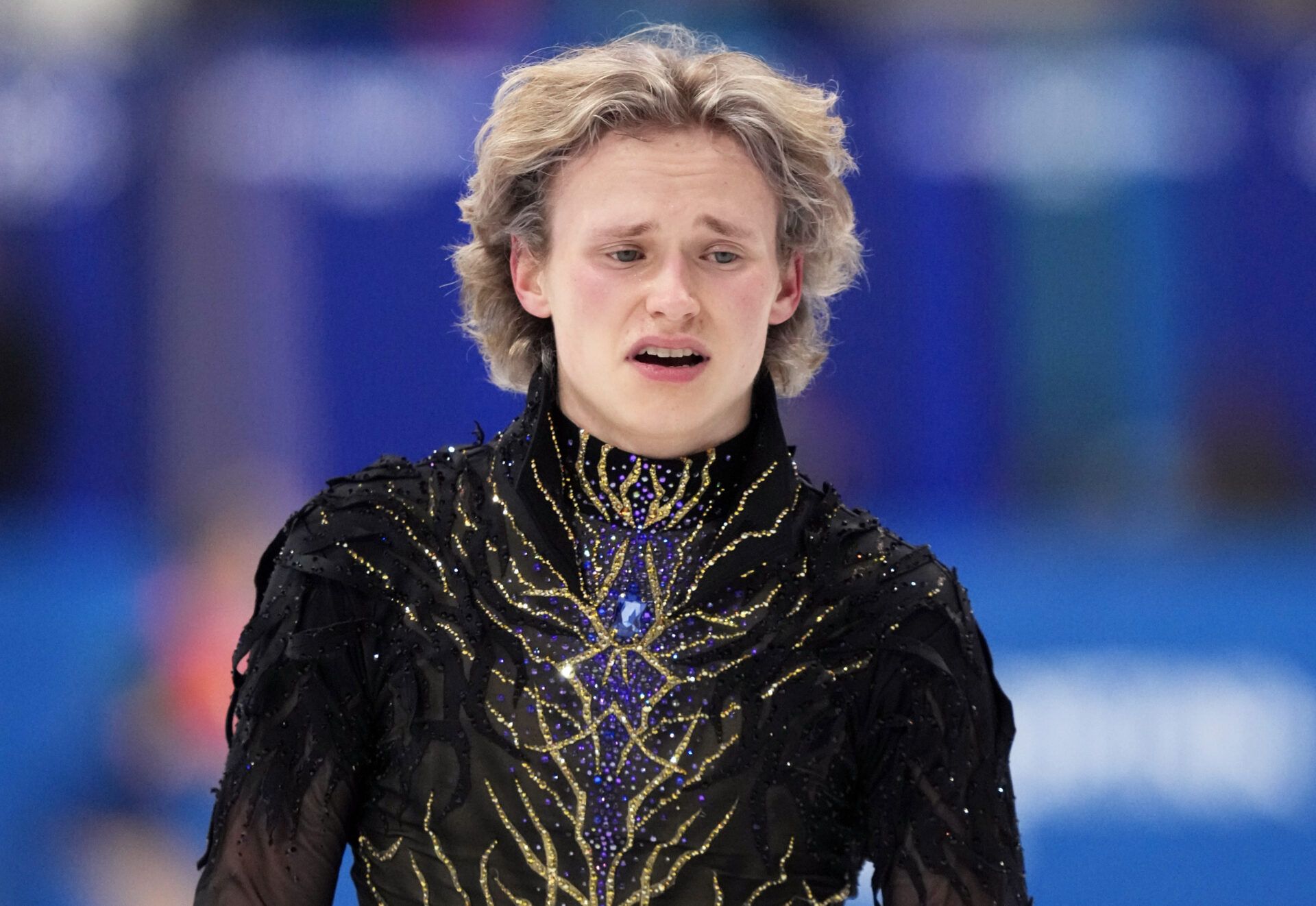
Rather than focusing on what might have gone wrong in a single program, she highlighted the qualities that make success possible: dedication, growth, and love for the sport.
Indeed, what makes Malinin remarkable is not only his technical brilliance but also his willingness to push the boundaries of what is possible in figure skating.
Innovation in sport requires risk—and risk always carries the possibility of failure.
Without athletes willing to challenge limits, no sport can evolve.
History shows that pioneers often face skepticism before they are widely celebrated. In Malinin’s case, debates about the balance between technical difficulty and artistry in his programs have sparked passionate discussion.
But artistic growth—musical interpretation, performance maturity, and emotional depth—takes time. It is a process, not an overnight transformation.
Her statement also served as a broader reminder about the mental landscape modern athletes face. Today’s competitors are no longer judged only by panels of officials. They are instantly evaluated by millions online.
Comments can be immediate, unforgiving, and viral.
“He skates because he loves this sport,” she emphasized. “He’s not fighting just to win.”
That line quickly resonated across the skating community. It stripped away statistics and returned to something simpler and more powerful: love for the ice, love for movement, and love for the challenge.
In the hours after her statement, support began to grow from both fans and fellow skaters. Encouraging messages replaced harsh comments. Clips of Malinin’s past triumphs circulated again, reminding people of the excitement and admiration he has brought to arenas around the world.

The conversation began to shift—from criticism to perspective.
Ultimately, the moment highlighted a fundamental truth about elite sport: greatness does not exist without struggle. Even the most extraordinary athletes remain human—young people navigating immense expectations under the brightest lights.
And sometimes, amid the noise of competition, it takes a mother’s voice to remind the world of that.